
Preparing for the Quantum Computing Era: Protecting Data Security in 2025 and Beyond

The future of cybersecurity is being reshaped by the advent of quantum computing. While quantum technology unlocks new possibilities, it also brings serious challenges to data security. As we approach 2025, understanding these risks is vital for businesses of all sizes. Companies need to act now to safeguard their sensitive information.
In this post, we will discuss how quantum computing threatens existing encryption methods, what this means for the future of data protection, and actionable steps businesses can take today to prepare for this new era.
The Quantum Leap: Understanding Quantum Computing
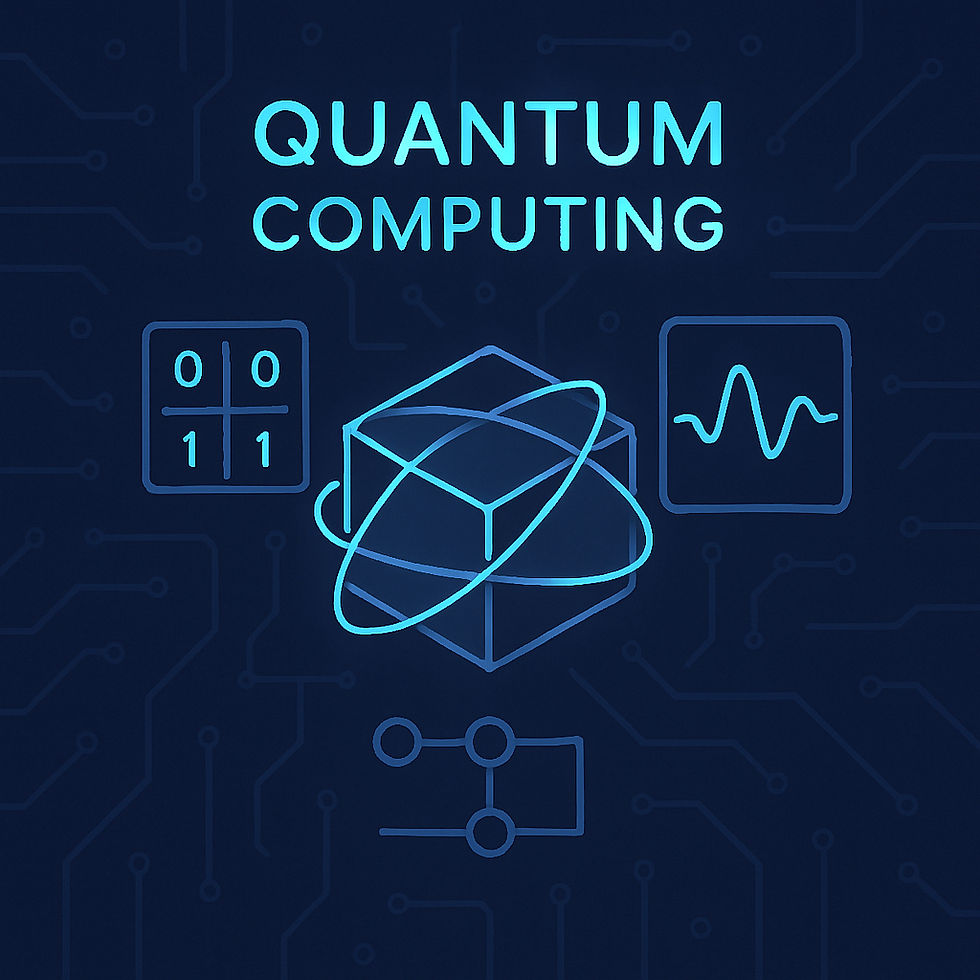
Quantum computing is more than a trend; it’s a groundbreaking advancement that leverages the quirks of quantum mechanics. Unlike traditional computers, which use bits (0s and 1s), quantum computers employ qubits. These qubits can exist in multiple states at once due to a phenomenon called superposition.
This unique characteristic allows quantum computers to tackle complex problems at speeds unattainable by classical computers. For instance, a quantum computer can analyze vast datasets in seconds, an endeavor that could take conventional computers years. The potential applications range from drug discovery to complex logistical challenges.
The Threat to Traditional Encryption
Today, our digital security relies heavily on encryption algorithms that protect sensitive data. Popular methods like RSA and ECC (Elliptic Curve Cryptography) have served us well, but quantum computers pose a significant risk to these technologies.
For example, Shor’s algorithm can quickly factor large integers, meaning a quantum computer could break RSA encryption in minutes, a task that would take traditional computers thousands of years. To put this into perspective, a classical computer might take up to 1 trillion years to crack a 2048-bit RSA encryption; a quantum computer could achieve this in less than half an hour.
This rapid decryption capability raises the stakes for data security. If encryption fails, sensitive information might be easily accessed by malicious actors, leading to devastating data breaches.
Quantum Threats to Data Security: The Impacts

The repercussions of quantum threats extend far and wide. Governments, financial institutions, healthcare providers, and businesses are all at risk. Data intercepted today could be stored and decrypted later when quantum technologies are more prevalent. This concept of "harvesting now, decrypting later" has alarming implications for long-term data security.
In fact, a 2022 study projected that by 2025, about 50% of all sensitive data could be vulnerable to quantum decryption. Attackers could hoard encrypted data, confident they will decipher it once quantum capabilities improve. This scenario threatens not just the present but the future integrity and trust businesses rely on.
Preparing Your Business for Quantum Computing
In light of the quantum landscape, businesses must take proactive measures to protect their data. Here are some strategic steps that even small companies can implement:
1. Stay Informed about Cybersecurity Trends
Staying updated on advancements in quantum computing and cybersecurity is crucial. Regularly engaging with industry publications and attending relevant conferences can provide valuable insight. Companies that stay in the loop can anticipate changes and adapt their strategies accordingly.
2. Assess Current Encryption Methods
Examine your existing encryption methods closely. Are they vulnerable to quantum attacks? Identifying weaknesses in your encryption strategy is essential. For instance, if you are using RSA, now is the time to explore alternatives.
3. Explore Quantum-Resistant Algorithms
Research is progressing on developing quantum-resistant algorithms capable of withstanding quantum computer attacks. Organizations like NIST (National Institute of Standards and Technology) are standardizing quantum-safe encryption. Familiarizing yourself with their findings can help you implement effective solutions.
4. Collaborate with Experts
If navigating this new terrain seems daunting, consider working with cybersecurity experts specializing in quantum technologies. Their insights can help tailor your approach to fit your business's size and the specific data you need to protect.
5. Educate Your Team
Employee training is critical in this evolving landscape. Ensure that your team understands the specific risks posed by quantum computing. Hosting training sessions focused on quantum threats can empower your workforce to act wisely in protecting sensitive data.
The Future of Encryption: Charting a Path Forward
As quantum computing becomes more mainstream, the encryption landscape must evolve. New standards and practices will emerge, and organizations must remain adaptable. Transitioning to quantum-safe encryption is an ongoing process, not a one-time fix.
Achieving this transition will require dedication, resources, and collaboration. Businesses of all sizes should focus on being proactive rather than reactive to emerging threats.
Embracing Change in the Quantum Era
The rise of quantum computing holds both potential benefits and risks for cybersecurity. By recognizing the threats to data security and taking strategic steps now, businesses can protect sensitive information as we move into the future.
As we approach 2025, it is vital for organizations to adopt a forward-thinking approach to encryption and cybersecurity. The time to act is now, before quantum threats can reshape the digital landscape irreversibly.
By staying informed, updating encryption methods, and investing in employee education, organizations can prepare for the challenges that the quantum computing era will bring. Knowledge and readiness will be the key elements for a secure future.


Comments